

Art Incubation Program
Ueda Maki: Aerosculpture ver.2 Biome of Scent
Overview
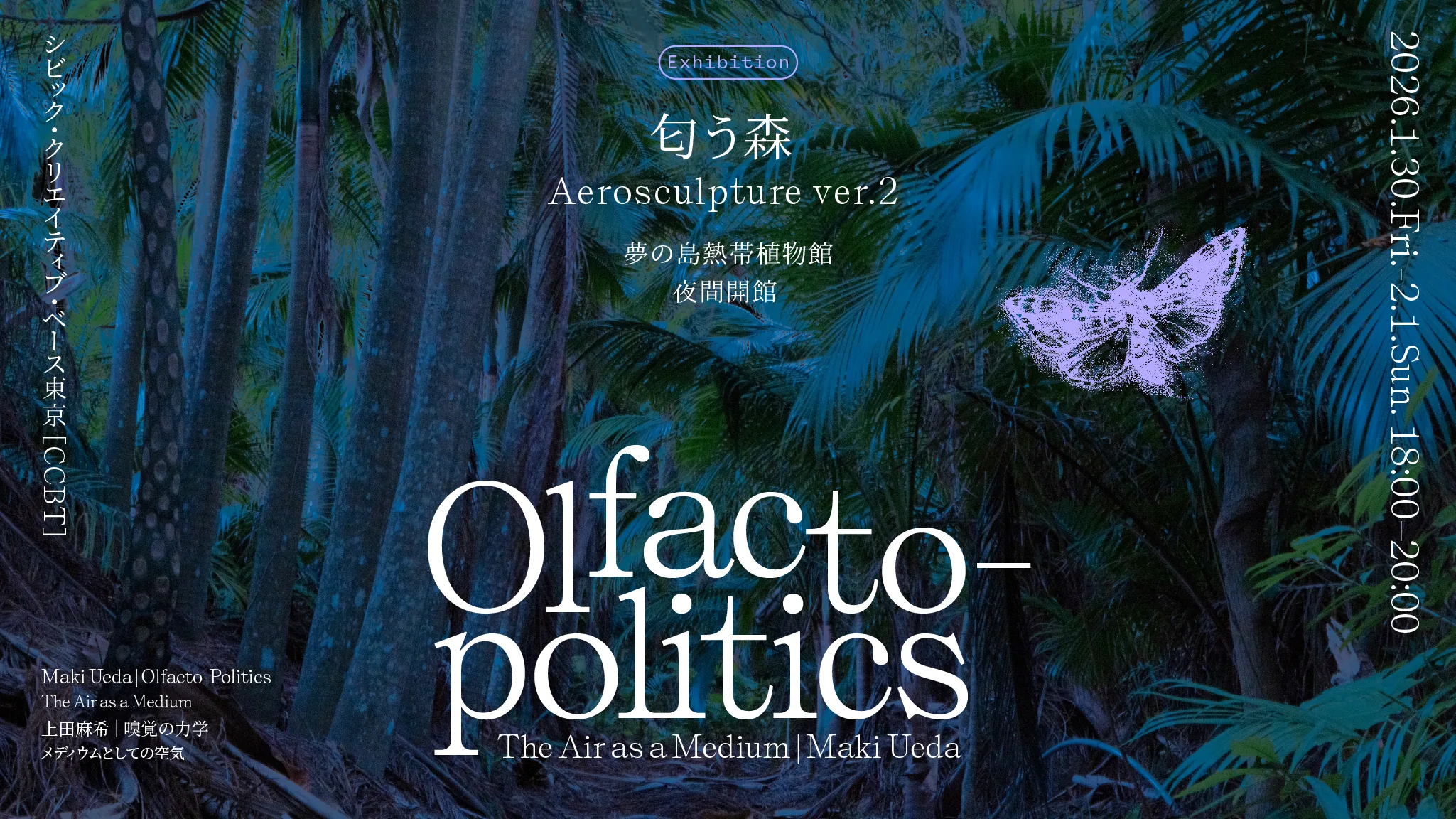
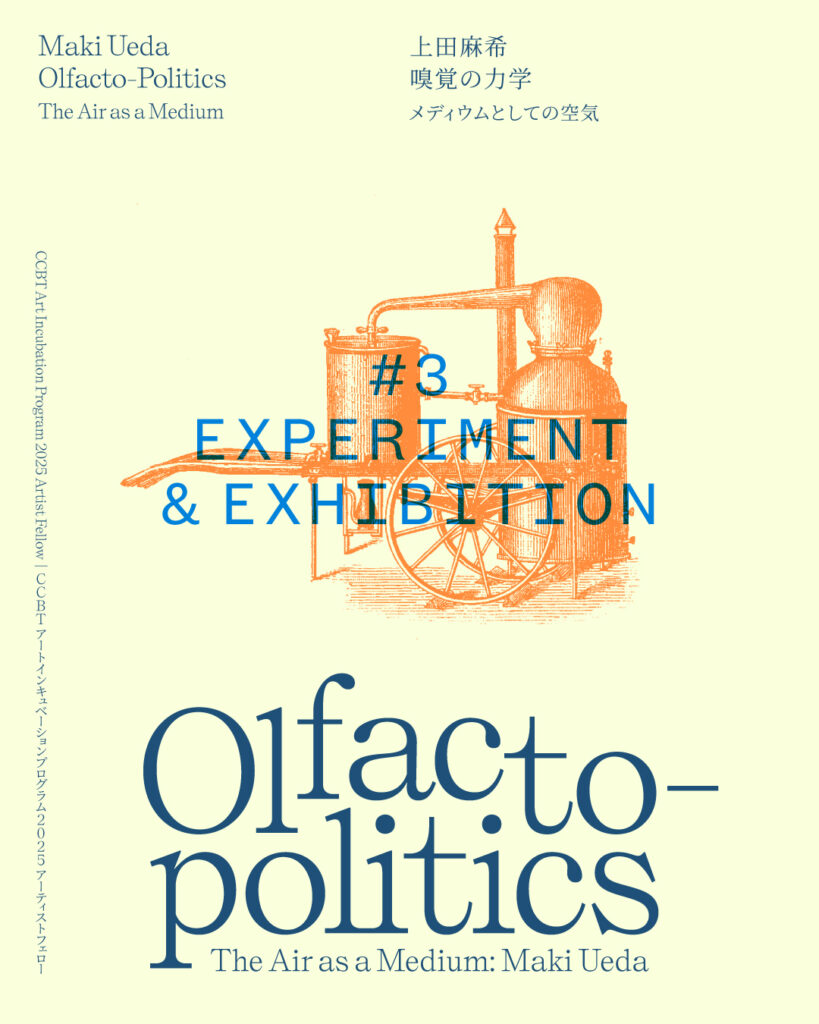
Olfacto-Politics: The Air as a Medium is 2025 CCBT artist fellow Ueda Maki’s multifaceted project attempting to use scent as a way of learning about the air as a commons, and of making the invisible air visible and possible to experience.
Aerosculpture Ver. 2: Biome of Scent features a symbiosis-themed participatory installation in a nighttime biome.
The venue is Yumenoshima Tropical Greenhouse Dome, which houses a forest-like environment and allows visitors to experience tropical nature in the city. Recreating the climate of a tropical rainforest, its three domes are home to approximately one thousand species of plants, including subtropical species and those native to the Ogasawara Islands. In the exhibition, Ueda layers artificial mechanisms over the environment and scents of nature in the domes, creating something utterly different from what exists during the day. By bringing hearing and sight into sync and by shifting our perception of smell, the exhibition conjures forth a whole new olfactory experience.
A related workshop, “Scent as a Message—Communication Fragrance,” is held in the Yumenoshima Tropical Greenhouse Dome’s event hall from 5:00 p.m. during the exhibition. In it, participants create scents as tools capable of influencing the air of the exhibition space.
—
You will experience how daily life is dominated by sight and ensnared by preconceptions. For plants and animals, smells are signals and data; sources of information connecting them with the world. They are used in the fight for survival and so that flora and fauna may coexist and prosper. But what about humans? This work is an attempt to explore such olfacto-politics. I hope you enjoy discovering the intelligence of your sense of smell that the night forest reveals.
Ueda Maki
Notes for Viewers
– Yumenoshima Tropical Greenhouse Dome’s regular opening hours end at 5:00 p.m., but visitors may remain inside until the exhibition opens at 6:00 p.m.
– The exhibition features various odors. If you have a respiratory illness or other concerns, please consult a doctor before visiting.
– During peak periods, entry to the main greenhouse may be restricted and you may be asked to wait.
– The venue is dark and has steps. Please wear sneakers or other comfortable footwear.
– Media outlets or organizers may be filming or taking photographs of the exhibition during your visit. Please be aware that the footage and images may be published online.
– If you have other questions about the exhibition or your visit, please check the venue FAQs and contact CCBT.
Related Workshop: Scent as a Message—Communication Fragrance
A related workshop is held daily from 5:00 p.m. during the exhibition period. The night-blooming flower of the Barringtonia racemosa (powder-puff tree) is said to signal moths and bats with its fragrance, inviting them to pollinate it. Imitating this, workshop participants express certain moods as olfactory messages—e.g., “I want to talk to someone today” or “I want to be left alone today”—and so create scents as forms of communication. Participants explore the exhibition space while wearing the fragrances they make, affecting the air as they move around.
Dates: January 30 – February 1, 2026
Reception hours:17:00- / 17:30- / 18:00- / 18:30- / 19:00- Approx. 30 min. per session. No reservation or registration required. Limited capacity (available on first come, first served basis).
Venue: Yumenoshima Tropical Greenhouse Dome event hall (2-1-2 Yumenoshima, Koto-ku, Tokyo)
Instructors:Ueda Maki, Kusunoki Naoko
Access
Yumenoshima Tropical Greenhouse Dome (2-1-2 Yumenoshima, Koto-ku, Tokyo)
By public transportation
Tokyo Metro Yurakucho Line,JR Keiyo Line, Rinkai Line 13 minutes walk from Shinkiba Station
Toei Bus 5-minute walk from Toei Bus “Yumenoshima” bus stop
admission fee
general 250¥
65 years old and over 120¥
Junior high school students 100¥
Junior high school students free of charge
Elementary school students and under free of charge
Project「Olfacto-Politics: The Air as a Medium」
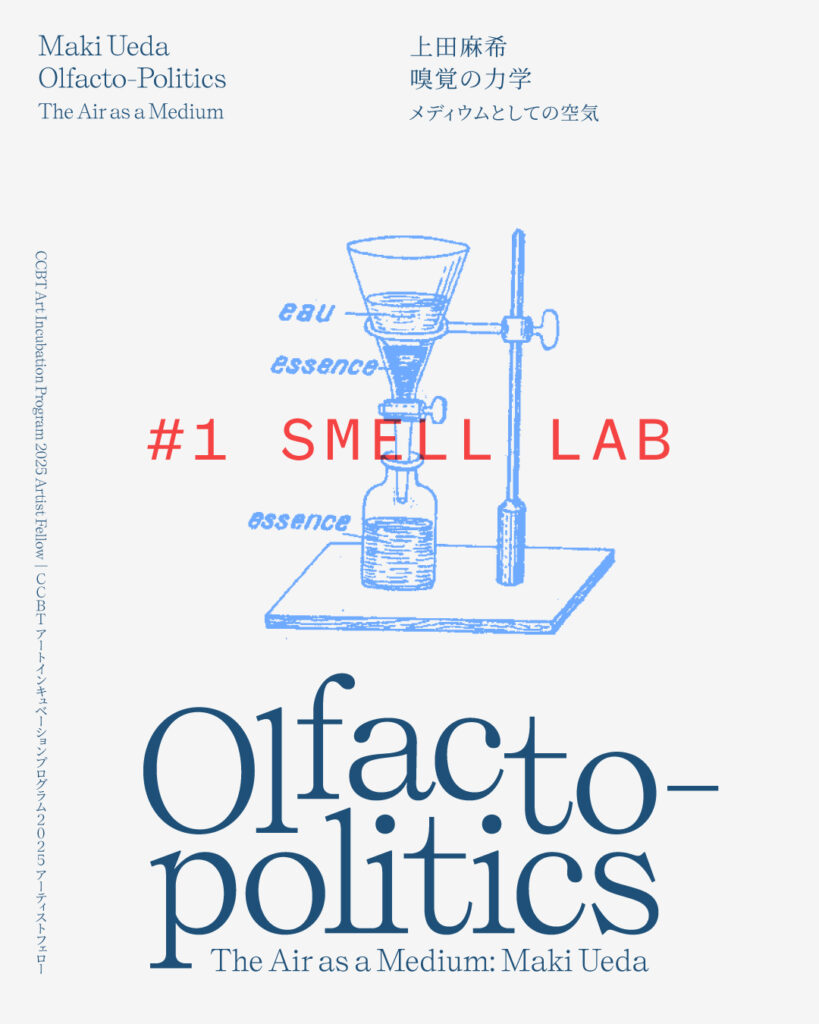
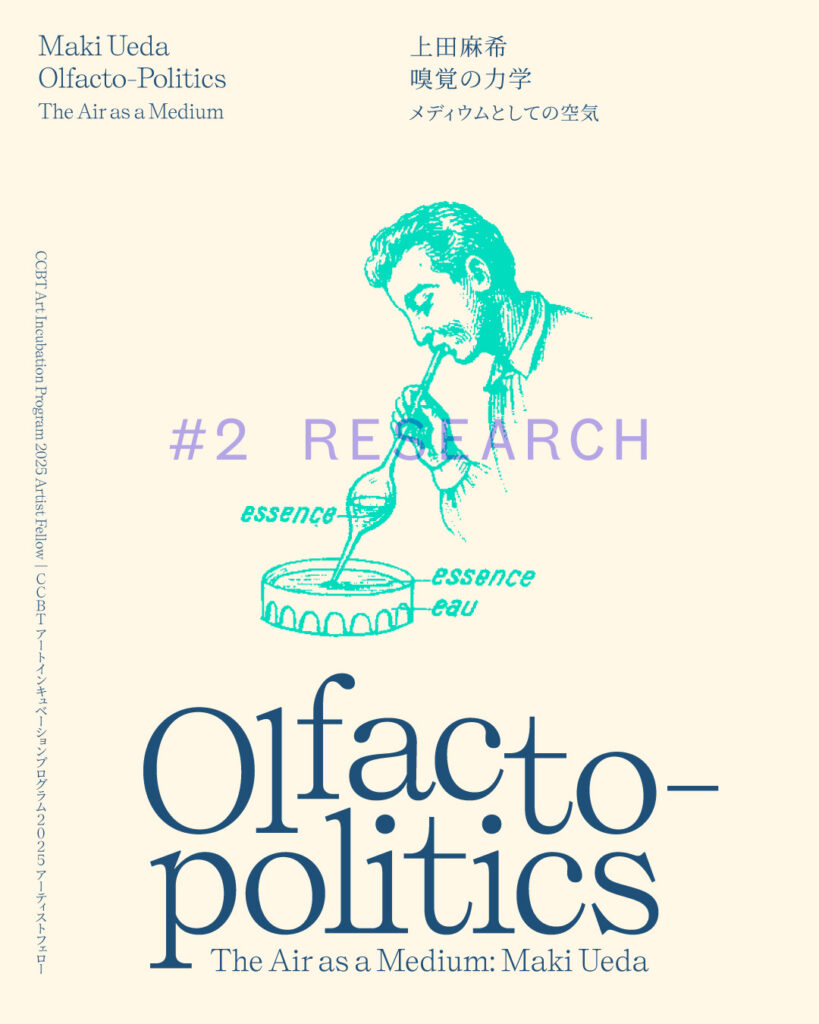
This multifaceted project takes smell as a starting point for exploring the notion of the air we breathe as part of the commons, and attempts to make it possible to see and experience the air. The project comprises three parts: offering opportunities to learn in the form of lectures and workshops; conducting research to make the olfactory visible by using technology to measure the highly subjective sense that is smell; and creating and exhibiting spatial works that express air circulation. In this way, the project takes the air, the medium by which humans and all living creatures exchange manifold kinds of information, as a stepping stone to encourage us to think about biodiversity and biomes, and to inspire new ways of looking at the world.
Project structure
Phase 1 Olfactory Seminar “Smell Lab”
Phase 2 Research
Phase 3 Exhibition
Artist Statement Text : Ueda Maki
The air is a commons (that is, a shared resource). We all breathe in and out, meaning it is not possible to draw a line between what is mine and yours. The COVID-19 pandemic made us newly aware of this fact.
If we treat the air as a medium, then it is something through which all living things, humans included, exchange a vast amount of information. It contains gases such as oxygen and nitrogen, smells, aerosols, chemical compounds, viruses, and even things like life force that are difficult to explain scientifically. This project uses scent as a starting point for making visible how the air functions as a commons as well as the circulation of that commons, turning it into something that we can experience tangibly.
I have been working with smells as an olfactory artist for over twenty years. Scents and fragrances intrigue us by appealing to our emotions and memories. However, there is a tendency to exaggerate and focus too much on this aspect, and it is often thought that linking scents to emotions results in products and services more likely to sell. From another perspective, this also means that beings who need to breathe to survive are unconsciously manipulated. Moreover, crowded cities are, for better or worse, overflowing with artificial smells. If we consider odors in a broad sense as the volatile substances that enter the body through the sense of smell, the olfactory can also manipulate physiological phenomena, at times harming health and even leading to death.
In the recent sinkhole incident in Yashio, Saitama, a smell like that of rotten eggs (that of hydrogen sulfide, which corrodes metals) is said to have filled the surrounding area. The sarin gas used in the Tokyo subway terrorist attack thirty years ago was a volatile organophosphate nerve agent, which victims said gave off a foul odor. In overcrowded and confined Tokyo, one of the world’s most densely populated cities, smells always lurk under the surface as a potential source of conflict, as we saw in the well-publicized dispute that occurred in 2025 between a long-established eel restaurant and the new residents who lived in the apartment building above it. Even when things seem under control, odors then become an inevitable issue during disasters and emergencies.
If we think of air as a commons, then the various problems that arise in the air are also part of the commons—and the global commons. Recent Tokyo summers, for instance, have been dangerously hot. Climate change and global warming are urgent issues that we cannot put off any longer. Rather than usings smells to appeal to people’s memories and emotions, I want to use the power of technology (in the form of digital olfaction) to present objective data.
Cities are places where natural smells have been removed to become what we may call a human domain. Tokyo is a metropolis and people have only quite recently called such big cities home. It is also an immense olfactory laboratory. With Tokyo as its setting, my project aspires to question what it means to live (breathe), and to create a place where we can foster intelligence and resilience for our sense of smell.
CCBT Art Incubation Program
One of CCBT’s core programs, the Art Incubation Program provides opportunities for creative talent to undertake new projects and makes those processes accessible to the public, facilitating forms of artistic expression, exploration, and action that change our city for the better. Selected through an open call, five artist fellows will act as CCBT partners, developing their projects, making the creative process public, exhibiting the results, and holding workshops and talks.
Players
上田麻希
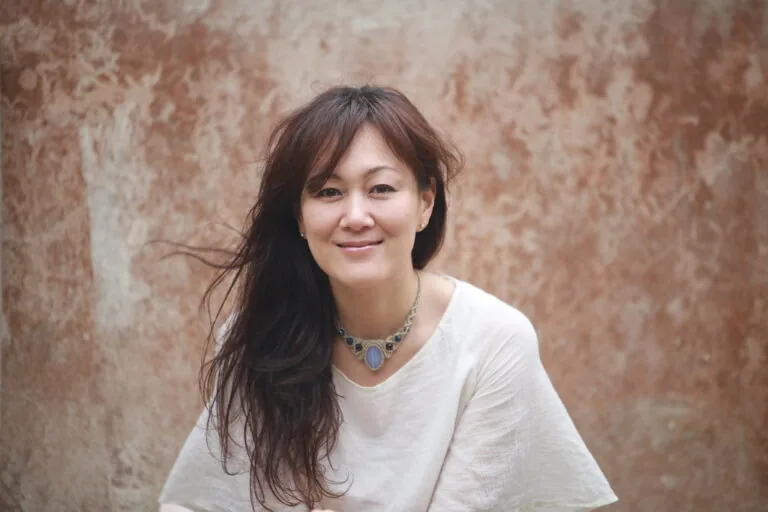
Ueda Maki
Olfactory artist
Since 2005, Ueda Maki has explored the intersection of scent and art, creating works that use smell and becoming a pioneering figure in the field of olfactory art. Since 2009, she has taught at institutions around the world including the Royal Academy of Art in The Hague, nurturing a new generation of olfactory artists. Nominated five consecutive times for the Sadakichi Award for Experimental Work with Scent at the Art and Olfaction Awards―an international hallmark of olfactory art―and winner of the award in 2022, Ueda is also a recipient of the Commissioner for Cultural Affairs Award 2024. Currently based on the island of Ishigaki, she runs an olfactory art laboratory engaging in education and tourism while exhibiting and running workshops around the world.
